

Best Restaurant Marketing Platforms & Software (2026 Guide)
There’s no shortage of marketing platforms. The challenge is choosing the right one for your Restaurant.
This guide covers the most widely used restaurant marketing platforms, how they compare, and how to choose the right system for your business.
Top Restaurant Marketing Platforms
Here are some of the most widely used restaurant marketing platforms, each with a different approach to growth:
Owner.com
An all-in-one platform focused on websites, online ordering, and customer retention for independent restaurant brands.
Popmenu
Known for interactive menus, website tools, and automated marketing features designed to increase guest engagement.
BentoBox
A website-first platform that combines strong design, content management, and basic marketing tools for restaurants.
SpotHopper
A marketing automation platform focused on campaigns, promotions, and customer engagement across channels.
Toast
A POS-driven platform with an integrated ecosystem that includes online ordering, marketing tools, and customer data management.
Mailchimp
A general email marketing and CRM platform used by restaurants for promotions, newsletters, and customer communication.
Birdeye
A reputation management platform that helps restaurants monitor reviews, improve ratings, and manage customer feedback.
ChowNow
An ordering-focused platform that helps restaurants manage online orders and reduce reliance on third-party delivery marketplaces.
SevenRooms
A CRM and guest experience platform focused on reservations, customer data, and retention for higher-end restaurant concepts.
Explore detailed comparisons like Owner.com alternatives, Popmenu alternatives, and BentoBox alternatives.
How to Choose the Right Restaurant Marketing Platform
Not all restaurant marketing platforms are built the same. Most fall into a few distinct categories, each solving a different part of the growth challenge.
Website-First
Platforms
Platforms like BentoBox focus on website design, content management, and online ordering. They help restaurants establish a strong digital presence but often require additional tools for marketing and retention.
Menu & Experience
Platforms
Platforms like Popmenu emphasize interactive menus, guest experience, and engagement features designed to improve how customers interact with your brand online.
Promotion & Automation Platforms
Platforms like SpotHopper and Mailchimp focus on campaigns, email, SMS, and promotions to drive repeat visits and customer engagement.
Ordering & Revenue
Platforms
Platforms like Owner.com and ChowNow focus on online ordering, customer ownership, and reducing dependency on third-party marketplaces.
POS & Ecosystem
Platforms
Platforms like Toast combine point-of-sale systems with integrated marketing, ordering, and customer data tools.
Generic Website Builders (Entry-Level)
Platforms like Wix and Squarespace offer simple website creation but lack the depth required for restaurant marketing, ordering, and long-term growth.
Most restaurants don’t fail because they choose the wrong tool—they struggle because these tools operate in isolation. Real growth comes from connecting visibility, conversion, and retention into a unified system.
Restaurant Marketing Platforms Comparision (2026)
Each platform approaches restaurant marketing differently. Here’s a high-level comparison to help you understand where they fit:
| Platform | Best For | Strength | Limitation |
|---|---|---|---|
| Owner.com | All-in-one growth | Ordering + retention focus | Limited flexibility |
| Popmenu | Menus + engagement | Interactive experience | Less control over SEO |
| BentoBox | Website foundation | Strong design + CMS | Limited marketing automation |
| SpotHopper | Marketing automation | Campaign execution | Depends on external systems |
| Toast | POS ecosystem | Integrated operations + data | Closed ecosystem |
| Wix / Squarespace | Simple websites | Easy to launch | Not built for restaurant growth |
| ChowNow | Online ordering | Direct ordering control | Limited marketing features |
| SevenRooms | CRM + reservations | Guest data + retention | Not a full marketing system |
A Better Approach:
An Unified Restaurant Growth System
Instead of relying on disconnected tools, restaurants need a system that connects visibility, conversion, and retention into a single, measurable growth engine.
Visibility
Local SEO, AI search, and online presence that drives discovery
Conversion
Websites, menus, and ordering experiences that turn visitors into customers
Retention
Email, SMS, and campaigns that bring customers back
This is the approach behind how modern restaurant growth systems are designed—where tools are connected, strategy is clear, and performance is measurable.
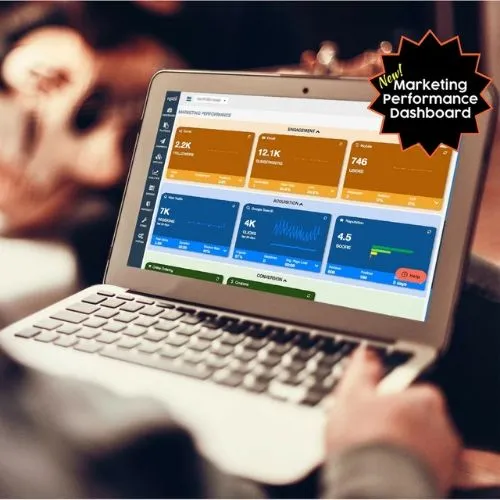
NGAZE powers this system by bringing together insights, execution, and performance tracking into one unified platform—used by The Digital Restaurant to drive measurable growth for restaurant brands.
Build the Right Restaurant Marketing System
Choosing the right restaurant marketing platform is only part of the equation. The real impact comes from how your strategy, tools, and execution work together.
If you’re evaluating platforms or trying to improve results, the best starting point is a clear, structured plan.
** Trusted by 50+ restaurant brands and 350+ locations across the U.S and Canada